天天影视-海量高清视频免费在线观看 天天影视-海量高清视频免费在线观看
收藏
4.0
网友评分
  • 很差
  • 较差
  • 还行
  • 推荐
  • 力荐
219次评分
  • 很差
  • 较差
  • 还行
  • 推荐
  • 力荐
扫描观看

扫描一扫app播放

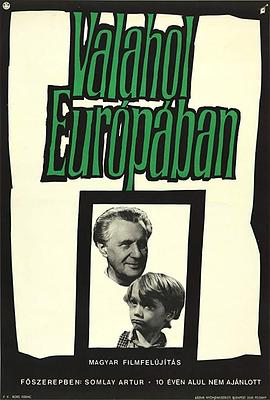
Somewhere in the remote region, the war ends. In the midst of ruined cities and houses in the streets, in rural hamlets, everywhere where people still live, are children who have lost their homes and parents. Abandoned, hungry, and in rags, defenseless and humiliated, they wander through the world. Hunger drives them. Little streams of orphans merge into a river which rushes forward and submerges everything in its path. The children do not know any feeling; they know only the world of their enemies. They fight, steal, struggle for a mouthful of food, and violence is merely a means to get it. A gang led by Cahoun finds a refuge in an abandoned castle and encounters an old composer who has voluntarily retired into solitude from a world of hatred, treason, and crime. How can they find a common ground, how can they become mutual friends The castle becomes their hiding place but possibly it will also be their first home which they may organize and must defend. But even for this, the price will be very high.  To this simple story, the journalist, writer, poet, scriptwriter, movie director, and film theoretician Béla Balázs applied many years of experience. He and the director Géza Radványi created a work which opened a new postwar chapter in Hungarian film. Surprisingly, this film has not lost any of its impact over the years, especially on a profound philosophical level. That is to say, it is not merely a movie about war; it is not important in what location and in what period of time it takes place. It is a story outside of time about the joyless fate of children who pay dearly for the cruel war games of adults.  At the time it was premiered, the movie was enthusiastically received by the critics. The main roles were taken by streetwise boys of a children's group who created their roles improvisationally in close contact with a few professional actors, and in the children's acting their own fresh experience of war's turmoil appears to be reflected. At the same time, their performance fits admirably into the mosaic of a very complex movie language. Balázs's influence revealed itself, above all, in the introductory sequences an air raid on an amusement park, seen in a montage of dramatic situations evoking the last spasms of war, where, undoubtedly, we discern the influence of classical Soviet cinematography. Shooting, the boy's escape, the locomotive's wheels, the shadows of soldiers with submachine guns, the sound of a whistle—the images are linked together in abrupt sequences in which varying shots and expressive sharp sounds are emphasized. A perfectly planned screenplay avoided all elements of sentimentality, time-worn stereotypes of wronged children, romanticism and cheap simplification. The authors succeeded in bridging the perilous dramatic abyss of the metamorphosis of a children's community. Their telling of the story (the scene of pillaging, the assault on the castle, etc) independently introduced some neorealist elements which, at that time, were being propagated in Italy by De Sica, Rossellini, and other film artists. The rebukes of contemporary critics, who called attention to formalism for its own sake have been forgotten. The masterly art of cameraman Barnabás Hegyi gives vitality to the poetic images. His angle shots of the children, his composition of scenes in the castle interior, are a living document of the times, and underline the atmosphere and the characters of the protagonists. The success of the picture was also enhanced by the musical art of composer Dénes Buday who, in tense situations, inserted the theme of the Marseilaise into the movie's structure, as a motive of community unification, as an expression of friendship and the possibility of understanding.  Valahol Europaban is the first significant postwar Hungarian film. It originated in a relaxed atmosphere, replete with joy and euphoria, and it includes these elements in order to demonstrate the strength of humanism, tolerance, and friendship. It represents a general condemnation of war anywhere in the world, in any form.
展开

展示你的位置
展示你的位置

资源列表

相关明星

相关影片

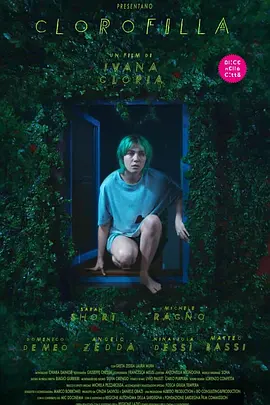
氯霉素
Sarah Short , Michele Ragno , Domenico De Meo
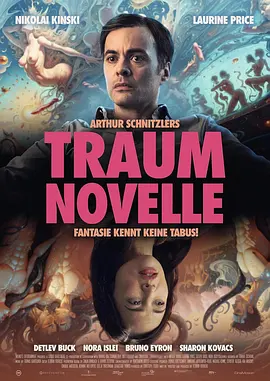
绮梦春色
尼科莱·金斯基 , Nicole Nagel , Laurine Price , 帕特里克·莫勒肯 , 德特勒夫·布克 , Nike Martens , 布鲁诺·艾隆 , Katharina Gerhardt , Rodney Charles , Sharon Brauner , Christoph Moreno , Can Bilgic , Nora Islei , Oliver Hein-Macdonald , Mirko Stübing , Lasse Klene , Sharon Kovacs ,
泰姬陵的故事
帕莱什·拉瓦尔 , 萨基尔·侯赛因 , 阿姆鲁塔·可汗维卡尔 , 纳米特·达斯 , Sneha Wagh
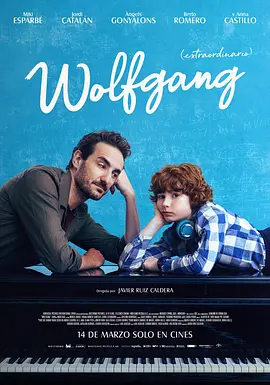
钢琴之子 Wolfgang
米奇·艾斯巴尔贝 , Jordi Catalán , Àngels Gonyalons , 安娜·卡斯蒂罗 , 贝尔托·罗梅罗 , 娜乌西卡·邦宁 , 露丝·略皮斯 , Montserrat Alcoverro , 达芬斯·巴尔杜兹 , Reichel Delgado , Laura López , Albert Ribalta , Eli Iranzo
异形终结
彼得·威勒,罗伊·迪普伊,詹妮弗·鲁宾,安德鲁·劳厄尔,迈克尔•卡洛兹,杰森·卡弗利尔,莱尼·帕克,布鲁斯·博阿,查尔斯·鲍威尔,Liliana Komorowska,Tom Berry,Henry Ramer
韩国制造的我
普里扬卡·阿鲁莫汉 , 朴惠珍
风来之所
Slim Baccar , 桑杜斯·哈桑 , Eya Bellagha , Maya Blouza , 穆罕默德·格拉亚 , Lassaad Jamoussi , Saoussen Maalej , Lobna Noomene
传家宝
Ben Petrie , 格雷丝·格洛威克
我是道士之仙人墓
天师派道士守一与青梅竹马的佳怡、师兄弟守清受老鬼指引,以帮其办事为交换,结伴前往仙人墓探寻师尊线索。一行人深入老林意外坠入雪洞,幸得体质特殊的老鬼帮助,收服白狐精魄。白狐妹妹为夺精魄与众人大打出手,期
古剑奇谭之焚寂天劫
风晴雪以巨大代价复活百里屠苏,他却记忆尽失,宿敌欧阳少恭被蚩尤操控为祸世间,为救苍生,屠苏觉醒展开终极守护之战。
仲冬假期
莱丝利·曼维尔 , 塞伦·希德 , 朱莉·兰伯顿 , 埃德·塞尔 , 安吉拉·科斯特洛 , Lewis Harris , Melany Maximus , 杰拉德·麦卡锡 , Ozan Topaloglu , Wai Wong , 杰森·艾伦·斯坦斯
妖铠
Orelsan , Clara Choï , Gringe
糖果
崔智友 , 高东河
宝岛
妻夫木聪 , 广濑铃 , 洼田正孝 , 永山瑛太 , 冢本晋也 , 中村苍 , 泷内公美 , 荣莉弥 , 尚玄 , 泷正则 , 木幡龙 , 奥野瑛太 , 村田秀亮 , Derrick Dover
安 李的遗嘱
阿曼达·塞弗里德 , 托马辛·麦肯齐 , 刘易斯·普尔曼 , 克里斯托弗·阿波特 , 蒂姆·布雷克·尼尔森 , 马修·比尔德 , 斯塔西·马汀 , 维奥拉·佩雷特约翰 , 斯科特·汉迪 , 斯科特·亚历山大·杨 , 杰米·博吉奥 , 米丽-萝丝·克若斯莉 , 大卫·卡勒
浪潮
沃伊捷赫·福多兹芝基 , Ondrej Stupka , 塔蒂阿娜·保霍福娃 , 斯坦尼斯拉夫·马杰尔 , 沃依特赫·科特克 , 玛丽卡·索波斯卡 , 佩德罗·林涅尼奇卡 , 马丁·霍夫曼 , Petr Halícek , 马提亚斯·热兹尼切克 , Jacob Erftemeijer , 扬·奈德巴尔 , 托马斯·马斯塔利 , 伊戈尔·巴雷斯 , Michaela Majerníková , Jevgenij Libeznuk , 扬·诺沃特尼 , Tomás Weber , 丹尼尔·图马 , Kupco
  • 片名:欧洲的某个地方
  • 状态:已完结
  • 主演:Artúr Somlay Miklós Gábor Zsuzsa Bánki 
  • 导演:Radványi Géza 
  • 年份:1948
  • 地区:其它
  • 类型:剧情 
  • 频道:内详
  • 上映:未知
  • 语言:其它
  • 更新:2026-03-03 15:17
  • 简介:Somewhere in the remote region, the war ends. In the midst of ruined cities and houses in the streets, in rural hamlets, everywhere where people still live, are children who have lost their homes and parents. Abandoned, hungry, and in rags, defenseless and humiliated, they wander through the world. Hunger drives them. Little streams of orphans merge into a river which rushes forward and submerges everything in its path. The children do not know any feeling; they know only the world of their enemies. They fight, steal, struggle for a mouthful of food, and violence is merely a means to get it. A gang led by Cahoun finds a refuge in an abandoned castle and encounters an old composer who has voluntarily retired into solitude from a world of hatred, treason, and crime. How can they find a common ground, how can they become mutual friends The castle becomes their hiding place but possibly it will also be their first home which they may organize and must defend. But even for this, the price will be very high.  To this simple story, the journalist, writer, poet, scriptwriter, movie director, and film theoretician Béla Balázs applied many years of experience. He and the director Géza Radványi created a work which opened a new postwar chapter in Hungarian film. Surprisingly, this film has not lost any of its impact over the years, especially on a profound philosophical level. That is to say, it is not merely a movie about war; it is not important in what location and in what period of time it takes place. It is a story outside of time about the joyless fate of children who pay dearly for the cruel war games of adults.  At the time it was premiered, the movie was enthusiastically received by the critics. The main roles were taken by streetwise boys of a children's group who created their roles improvisationally in close contact with a few professional actors, and in the children's acting their own fresh experience of war's turmoil appears to be reflected. At the same time, their performance fits admirably into the mosaic of a very complex movie language. Balázs's influence revealed itself, above all, in the introductory sequences an air raid on an amusement park, seen in a montage of dramatic situations evoking the last spasms of war, where, undoubtedly, we discern the influence of classical Soviet cinematography. Shooting, the boy's escape, the locomotive's wheels, the shadows of soldiers with submachine guns, the sound of a whistle—the images are linked together in abrupt sequences in which varying shots and expressive sharp sounds are emphasized. A perfectly planned screenplay avoided all elements of sentimentality, time-worn stereotypes of wronged children, romanticism and cheap simplification. The authors succeeded in bridging the perilous dramatic abyss of the metamorphosis of a children's community. Their telling of the story (the scene of pillaging, the assault on the castle, etc) independently introduced some neorealist elements which, at that time, were being propagated in Italy by De Sica, Rossellini, and other film artists. The rebukes of contemporary critics, who called attention to formalism for its own sake have been forgotten. The masterly art of cameraman Barnabás Hegyi gives vitality to the poetic images. His angle shots of the children, his composition of scenes in the castle interior, are a living document of the times, and underline the atmosphere and the characters of the protagonists. The success of the picture was also enhanced by the musical art of composer Dénes Buday who, in tense situations, inserted the theme of the Marseilaise into the movie's structure, as a motive of community unification, as an expression of friendship and the possibility of understanding.  Valahol Europaban is the first significant postwar Hungarian film. It originated in a relaxed atmosphere, replete with joy and euphoria, and it includes these elements in order to demonstrate the strength of humanism, tolerance, and friendship. It represents a general condemnation of war anywhere in the world, in any form.
公告

hello~这里是天天影视,本站全蓝光画质永久免费观看,如果资源无法播放请切换线路或留言,求片有求必应,永不收费。

下载app享受蓝光极速播放

搜索历史
删除
热门搜索
本地记录